 Europe Nook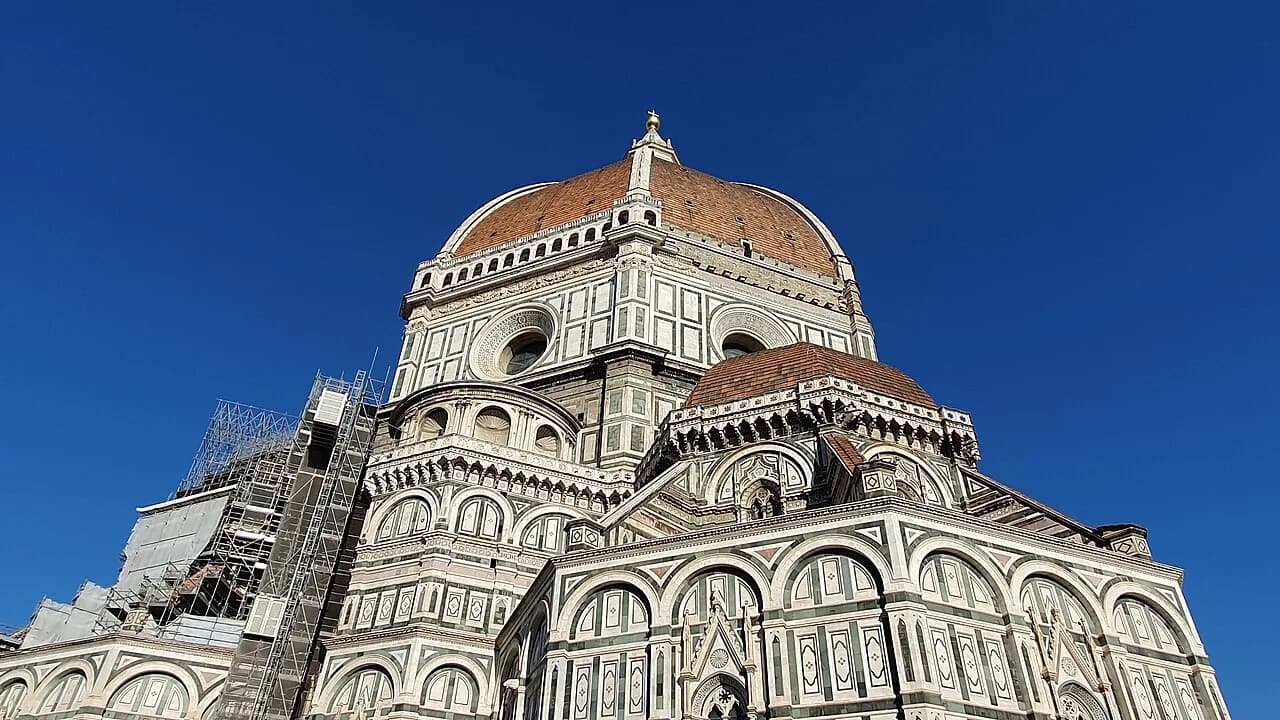
Reviewed October 2026: Florence's historic center is compact enough to cross on foot, and a florence self guided walking tour needs no transit ticket. This core loop runs from the Duomo cluster through Piazza della Signoria, over Ponte Vecchio, and into Oltrarno, with a shorter version for tight schedules. An optional climb to Piazzale Michelangelo extends the day, and cobblestones plus a busy Ponte Vecchio deserve extra planning time.
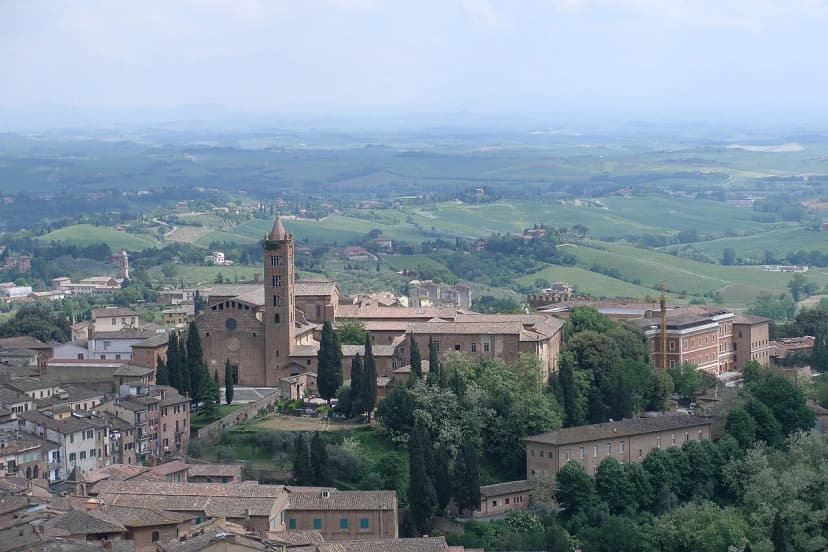
Featured image: Yair Haklai, CC BY-SA 4.0, via Wikimedia Commons. Resized and converted to WebP.
Can You Really See Florence on a Self-Guided Walking Tour?
Yes — central Florence's main sights sit close enough together to link entirely on foot. Two bridges cross the Arno inside this loop, so the walk can be shortened or extended at almost any point. Expect uneven cobblestones (sampietrini) on most streets, so flat, supportive shoes matter more than the exact order of stops. Deciding what to enter versus what to view from outside matters as much as the walking route itself, since Florence's paid sights fill up fast in peak season.
Florence Self-Guided Walking Tour Route at a Glance
This route stays inside Florence's car-free historic core the whole way. It links five zones in order: the Duomo cluster, Piazza della Repubblica, Piazza della Signoria, Ponte Vecchio, and Oltrarno. Walking every stop from the outside, without entering a single paid sight, takes roughly 2 to 2.5 hours. Cross the river and loop back, and the same route covers close to 4km round trip. Reference itineraries split Florence into these same zones, including one published Centro Storico and Oltrarno breakdown, though the sequencing and stop notes below are built for this guide.
- Piazza del Duomo — cathedral, baptistery exterior, and Giotto's Campanile
- Piazza della Repubblica — a short link between the Duomo and Piazza della Signoria
- Piazza della Signoria — Loggia dei Lanzi, Palazzo Vecchio exterior, Uffizi exterior
- Ponte Vecchio — river crossing into Oltrarno
- Oltrarno loop — Via de' Guicciardini to Palazzo Pitti, with an optional Santo Spirito detour
- Return via Ponte Santa Trinita or back over Ponte Vecchio
- Optional add-on — Piazzale Michelangelo via the San Niccolò steps or a local bus
Duomo Area: What to Enter vs. What to View from Outside
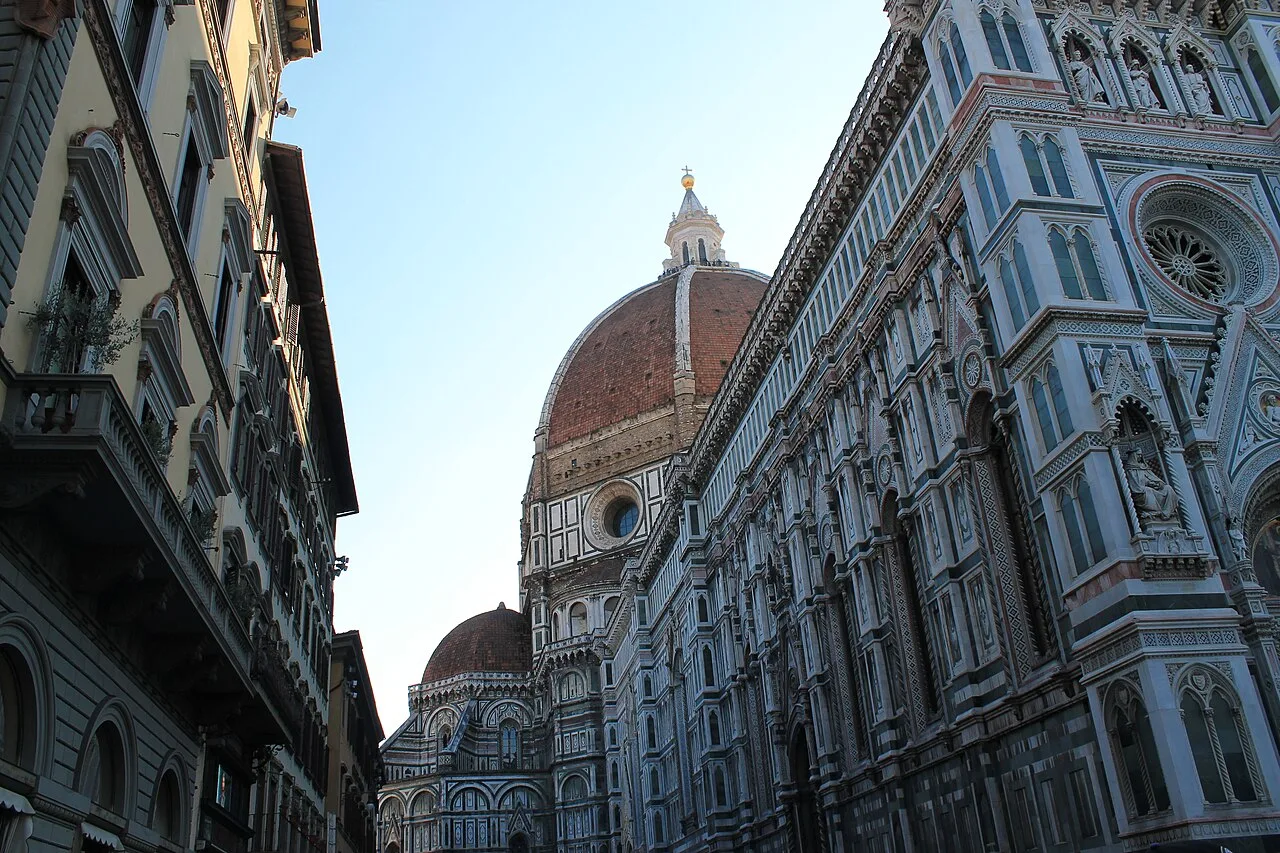
Start at Piazza del Duomo, where the cathedral, baptistery, and bell tower cluster together. The exterior marble facade and the baptistery's doors are free to view from the square at any hour. Stepping inside the cathedral nave is also free. Climbing the dome or bell tower, or entering the baptistery interior, crypt, or museum, requires a combined ticket from the Opera di Santa Maria del Fiore. Bundle prices and inclusions for those sights have changed more than once in recent years. Check the official Duomo ticket site for the current combination and price before booking a timed slot. Climbing Brunelleschi's dome means 463 steps with no elevator, and Giotto's Campanile next door adds 414 more if you climb both. Book a dome slot in advance; walk-up access is not guaranteed in peak season.
Piazza della Signoria, the Loggia dei Lanzi, and the Uffizi Decision
Piazza della Signoria, the Loggia dei Lanzi and the Uffizi exterior can be appreciated without buying a gallery ticket, subject to local access restrictions. Uffizi’s official tariff lists ordinary entry at €25 on the day or €29 when bought before the visit date. Allow 2–3 hours for the gallery as an editorial estimate and book a slot if it matters to your day.
Mercato Centrale and San Lorenzo: A Market Detour
North of the Duomo, Piazza San Lorenzo and the covered Mercato Centrale make a natural food break rather than a shopping stop. Leather stalls line the streets around San Lorenzo, separate from the indoor market itself. Inside Mercato Centrale, ground-floor stalls sell produce, meat, and cheese, while an upper-floor food court handles sit-down meals. Hours run long into the evening, but confirm the current schedule locally, since market hours shift with the season. Adding this detour before heading toward Piazza della Signoria works well if hunger strikes mid-morning; skip it on a fast, outside-only loop.
Should You Detour to the Accademia for David?
The Accademia is north of the Duomo and suits visitors who want to see the original David. Check the official ticket page for current individual and combined products introduced in 2026; an old €16 quote is not reliable. Allow 1–1½ hours as an editorial visiting estimate. The replica in Piazza della Signoria gives a free exterior alternative, but does not replace seeing the original if that is your priority.
Crossing to Oltrarno: Ponte Vecchio, Palazzo Pitti, and the South-Bank Loop
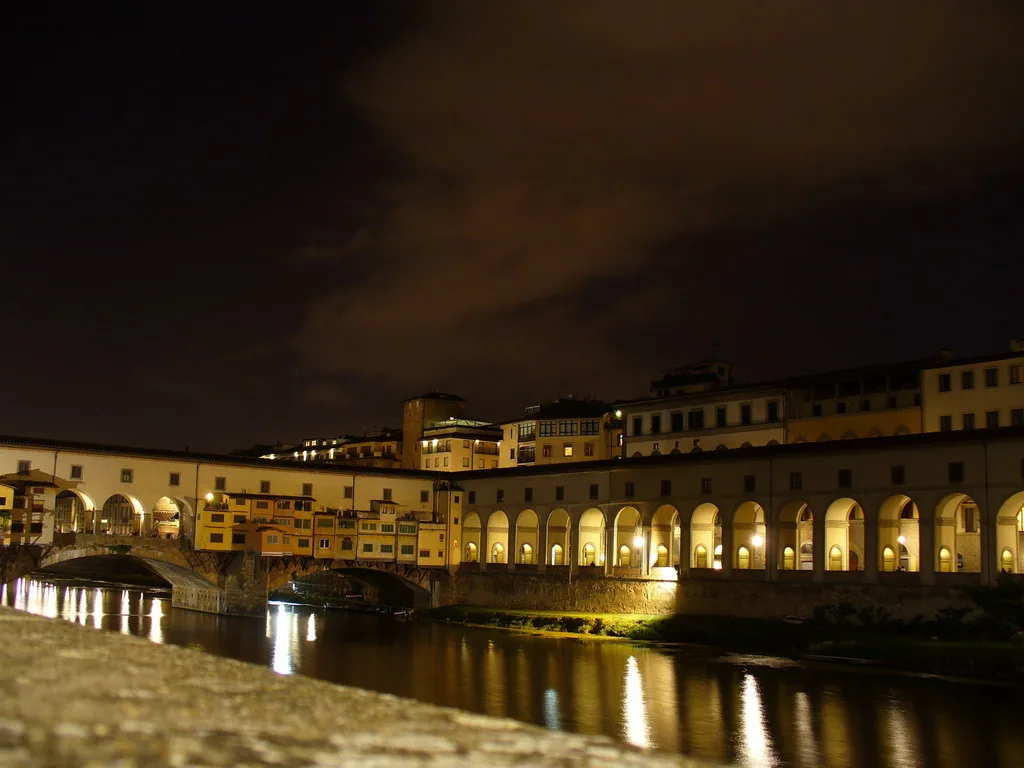
Ponte Vecchio is the route's most crowded stretch, lined with jewelry shops on both sides and busy with foot traffic through most of the day. The bridge itself takes only a few minutes to cross; allow 10–15 minutes for crowds and photos. For a quieter view of the bridge itself, Ponte alle Grazie sits a short walk upstream. On the far bank, Via de' Guicciardini runs south to Palazzo Pitti, the Medici family's former residence. A recently published rate for Palazzo Pitti and the Boboli Gardens sat roughly in the €10 to €22 range, depending on the combination chosen. The decision table further below breaks out the specific figures for each option. Santo Spirito, a quieter square with its own market and restaurants, sits a short detour west of the Pitti piazza. Return north over Ponte Vecchio, or loop back via Ponte Santa Trinita for a different river view.
Allow 10–15 minutes at Ponte Vecchio for crowds and photos; the physical crossing is shorter.
Optional Add-On: The Climb to Piazzale Michelangelo
Piazzale Michelangelo is a free public square, not a paid sight, and it sits uphill on the south side of the river. One published Oltrarno walking itinerary puts the round trip from Ponte Vecchio at 1.5 to 2 hours, covering close to 3.2km including the return. The route climbs through Via di San Niccolò and a set of steps near the old San Niccolò gate. For tired legs, a local bus is a reasonable substitute for the climb. Check current routes, stops, and fares on the Florence bus tickets guide before relying on one. Sunset draws the largest crowds at the top. Arrive earlier in the day if a quieter view matters more than sunset itself. Exact sunset timing shifts across the year, so check it for the travel date rather than assuming a fixed hour.
The climb to Piazzale Michelangelo takes 1.5 to 2 hours round trip, consuming one-quarter to one-third of the 7 to 9 hour full-day budget.
Free vs. Paid: A Decision Table for Every Major Stop
Some of Florence's best-known sights cost nothing to see; others need a ticket, a time slot, or both. This table sorts the stops on this route by that split, plus how long each takes and who is better off skipping it.
| Stop | Time Needed | Cost | Booking Ahead? | Who Should Skip It |
|---|---|---|---|---|
| Piazza del Duomo and cathedral interior | 15–20 min | Free | No | No one |
| Dome climb (463 steps) and bell tower (414 steps) | Allow separate booked slots and queues | Bundle ticket from the Opera di Santa Maria del Fiore; confirm current price and inclusions | Yes, timed slot | Anyone uneasy on tight stairs or short on time |
| Museo dell'Opera del Duomo | 45–60 min | Included in the same bundle | No | Time-pressed, outside-only visitors |
| Piazza della Signoria and Loggia dei Lanzi | 20–30 min | Free | No | No one |
| Uffizi Gallery | 2–3 hours | €25 on the day or €29 bought beforehand, per official tariff; check current quote | Yes, strongly recommended | Anyone with under 4 hours in Florence that day |
| Accademia (David) | 1–1.5 hours | Check current official Accademia ticket and booking product | Yes | Anyone who has seen the free copy in Piazza della Signoria |
| Ponte Vecchio | 10–15 min including photos | Free | No | No one |
| Palazzo Pitti and Boboli Gardens | 1.5–2.5 hours | Pitti €16/€19; Boboli €10/€13; combined €22/€25 (on day/advance); verify product | Recommended in peak season | Repeat visitors to European palace interiors |
| Piazzale Michelangelo | 15–20 min at the top | Free | No | No one |
How Much Time and Money to Budget
Three ways to run this walk cover different time and cost brackets. An outside-only loop that skips every paid interior takes about 2 to 2.5 hours and costs nothing beyond a coffee or snack stop. Add one paid entry, either the Uffizi or the Accademia, and the day stretches to 4 or 5 hours. The cost depends on the selected museum product and advance-booking conditions. A full day with two or three paid entries plus Piazzale Michelangelo runs 7 to 9 hours, with the cost depending on the selected ticket combinations. Confirm each ticket's current price before booking, since none of these figures are locked in. Travelers with an extra day free can push further out to Fiesole by bus, a hillside extension best treated as a separate trip rather than folded into this walk.
| Approach | Time Needed | Approx. Cost per Person | Best For |
|---|---|---|---|
| Outside-only loop (no paid entries) | 2–2.5 hours | Free, aside from food or drink | Time-pressed visitors, layovers, repeat visitors |
| Half day with one paid entry (Uffizi or Accademia) | 4–5 hours | Current price of your selected museum product | First-time visitors prioritizing one major artwork |
| Full day with 2–3 paid entries plus Piazzale Michelangelo | 7–9 hours | Add the official prices for your chosen tickets | Visitors with a full day free for this walk |
Mistakes to Avoid on a Self-Guided Florence Walk
A few planning slips account for most of the frustration on this route.
- Skipping advance booking for the Uffizi, Accademia, or the Duomo's dome slot, then losing hours to a walk-up queue in peak season.
- Underestimating how long Ponte Vecchio takes to cross at midday, when foot traffic and jewelry-shop browsing slow the pace.
- Wearing thin-soled shoes on sampietrini cobblestones, which get slick fast once it rains.
- Combining the full loop with three or more paid entries in one day, then running out of daylight before Piazzale Michelangelo.
- Assuming every museum shares the same closing day: check the specific institution’s calendar before booking timed visits.
Getting to the Route and Moving Around Florence Without a Car
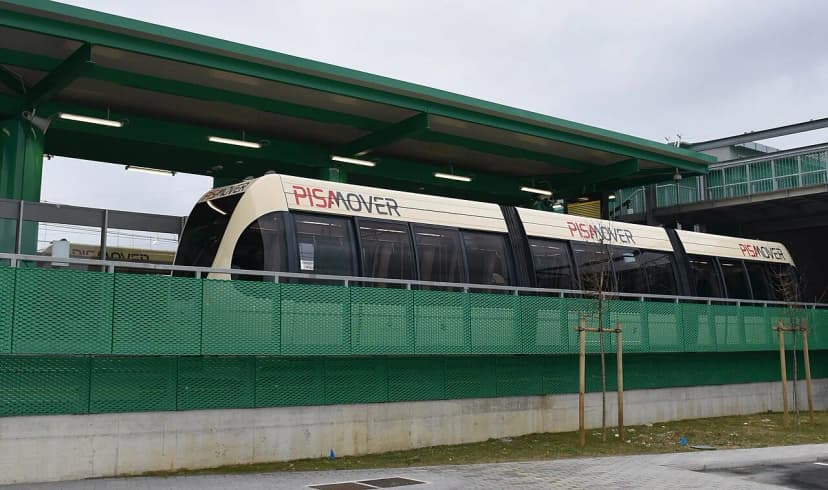
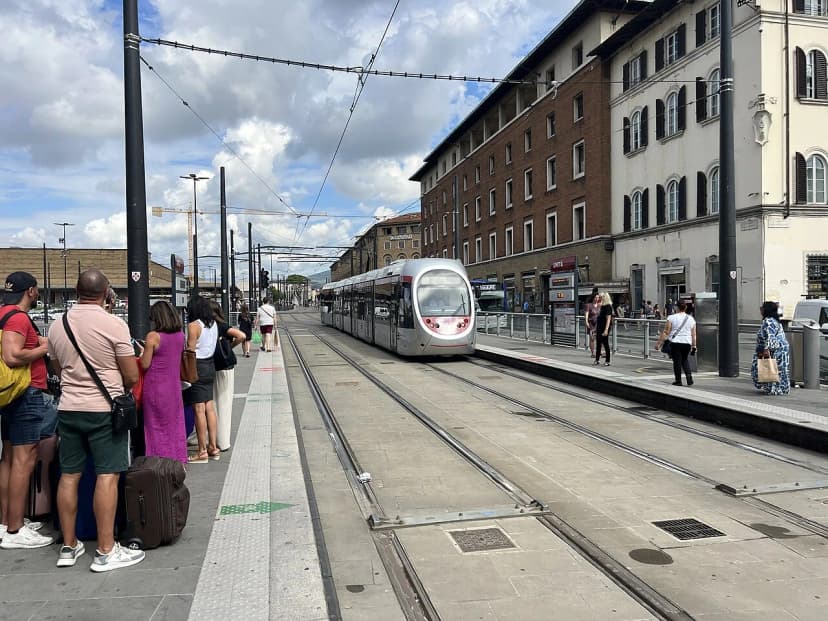
Most self-guided routes start near Firenze Santa Maria Novella station, a short walk from the Duomo cluster. Travelers arriving by intercity coach instead start from the Florence Bus Station: Which One You Need & How to Get There, a similarly short walk away. If the walking day starts right after landing, sort out the transfer first. Check the airport to city centre guide for Florence's own airport. Travelers flying into Pisa instead should check the Pisa airport to Florence guide before the walking day begins. Same-day arrivals and departures should drop bags at a luggage storage point near the station first, rather than assuming a museum cloakroom accepts large luggage. This route does not require Florence's public transport network, but it is a useful fallback for tired legs or rain. The Florence urban ticket from Autolinee Toscane, which covers city buses and the tram, stays valid for 90 minutes from validation, enough for most fallback rides across the center. A tram ticket can also shortcut the walk back toward the station on a tired-legs day. Autolinee Toscane posts service alerts, including occasional strike dates, on its ticket page — worth a check before counting on a bus or tram that day. Travelers arriving by train from elsewhere in Italy can check current schedules through Trenitalia's journey planner, though it works as a search starting point rather than a fare guarantee.
Connect this journey with your Florence stay
Before choosing a return train, compare Florence’s car-free day trips and leave time to retrieve bags or reach the airport.
Official planning sources
Sources reviewed 6 October 2026: official visitor or operator information, official visitor or operator information, official visitor or operator information. Check the dated timetable and current notices before travelling. Journey allowances are planning estimates, not a guarantee for a particular departure.
Frequently Asked Questions
Can you walk around Florence without a guided tour?
Yes. Florence's historic core is small enough to cover on foot, and the route above needs no guide, app, or transit ticket to work. Expect uneven cobblestones on most streets, so pack supportive, flat shoes.
How long does it take to walk through Florence's historic center?
An outside-only loop through the Duomo cluster, Piazza della Signoria, and Ponte Vecchio takes about 2 to 2.5 hours. Add Oltrarno and a return crossing, and the same walk covers close to 4km round trip. A full day with two or three paid entries plus Piazzale Michelangelo runs 7 to 9 hours.
Is it worth entering the Uffizi or Accademia on a short visit to Florence?
That depends on the time available. The Uffizi needs at least two hours and ordinary entry at €25 on the day or €29 purchased in advance. The Accademia needs 1 to 1.5 hours at the current official ticket price. Travelers with under four hours in Florence that day are usually better served skipping both and viewing the free copy of David in Piazza della Signoria instead.
Do you need public transport for a self-guided Florence walking tour?
No. The full route runs on foot, though a tram or bus is a reasonable fallback for tired legs, rain, or the uphill stretch to Piazzale Michelangelo. Check current routes and fares before relying on a fallback ride.
Which Florence sights are free to view from outside vs. requiring paid entry?
Several major stops cost nothing to see. The Duomo's exterior, the free cathedral interior, and Piazza della Signoria top that list. The Loggia dei Lanzi, Ponte Vecchio, and Piazzale Michelangelo round it out. Paid entry applies to the dome and bell tower climbs, plus the Duomo museum and crypt. It also applies to the Uffizi, the Accademia, and Palazzo Pitti with the Boboli Gardens. Confirm current prices for each on their official ticket sites before the walking day.
What should you avoid when planning a self-guided Florence walk?
Skipping advance booking for the Uffizi, Accademia, or the Duomo's dome slot is the most common mistake, since walk-up queues can consume hours in peak season. Underestimating cobblestones and a crowded Ponte Vecchio is another; both slow the route down more than street-view distances suggest. Combining the full loop with three or more paid entries in one day also tends to leave no daylight for Piazzale Michelangelo.
Is this walking route accessible for strollers or mobility devices?
Much of the route crosses uneven cobblestone streets, and Ponte Vecchio gets crowded enough to slow a stroller or wheelchair. Flatter stretches run along Via dei Calzaiuoli and around Piazza della Signoria. The San Niccolò steps up to Piazzale Michelangelo are not step-free, so check accessibility notes on official sight pages before planning around a mobility device.


.jpg)