 Europe Nook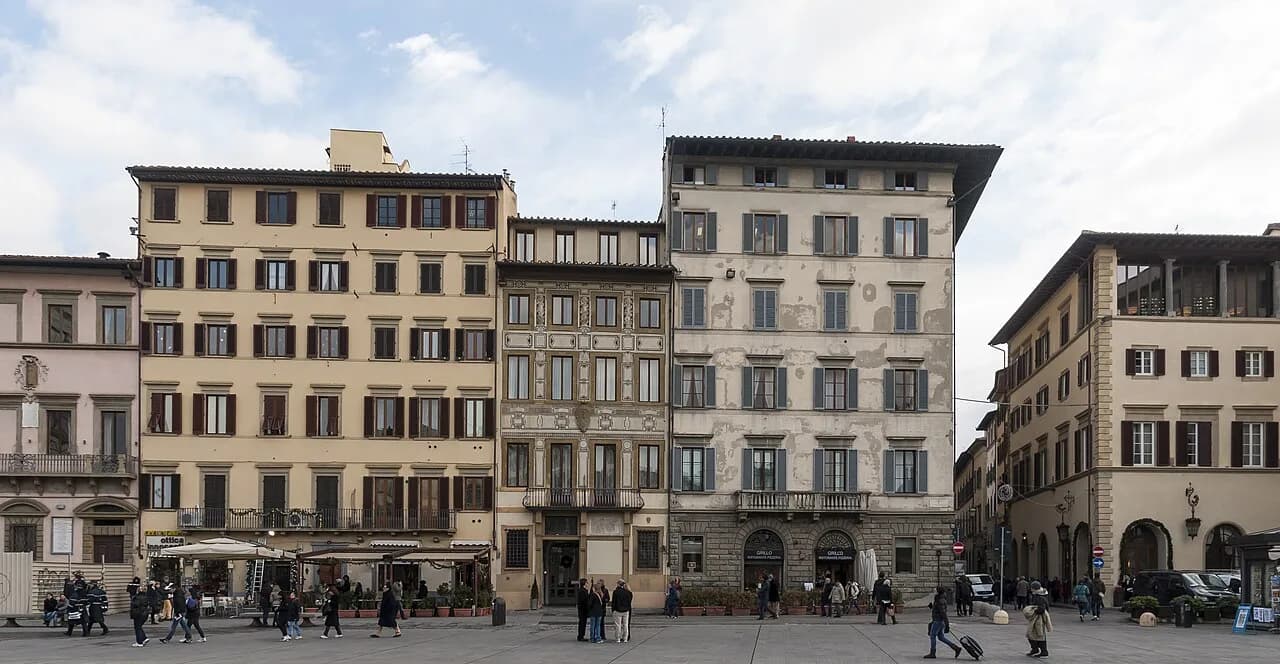
Reviewed October 2026: the bologna to florence train ranks among Italy's fastest city-to-city links, with high-speed services covering the route in well under an hour. Two operators, Trenitalia and Italo, run direct trains between Bologna Centrale and Firenze Santa Maria Novella, making Florence a realistic car-free day trip from Bologna. This guide covers platform navigation, fare timing, and buffer planning for both directions, and points to other car-free day trips from Bologna for a longer Emilia-Romagna itinerary.
Featured image: Piazza Santa Maria Novella in Florence, near the railway station. Photo: CEphoto, Uwe Aranas, CC BY-SA 3.0, via Wikimedia Commons. Resized and converted to WebP.
Quick Answer: Is There a Direct Train from Bologna to Florence?
Yes. Direct high-speed trains link Bologna Centrale and Firenze Santa Maria Novella (SMN) with no change of train, and the fastest services take well under an hour. Bologna sits in Emilia-Romagna and Florence is the capital of Tuscany, so this short link effectively bridges two of Italy's most-visited regions. Both Trenitalia, with its Frecciarossa trains, and Italo run this route non-stop on the dedicated high-speed line. A slower route via Prato also exists on the older Direttissima line, useful mainly for travellers comparing slower regional options; Intercity still has reservation requirements. For most visitors comparing bologna to florence train options, the high-speed service is the simplest choice. It offers one direct train, no transfer, and a ride short enough for a genuine day trip from Bologna. The same direct high-speed service also runs in reverse from Firenze SMN back to Bologna Centrale, so return-trip planning mirrors the outbound journey.
Which Trains Run This Route: Trenitalia vs Italo, High-Speed vs Slower Options
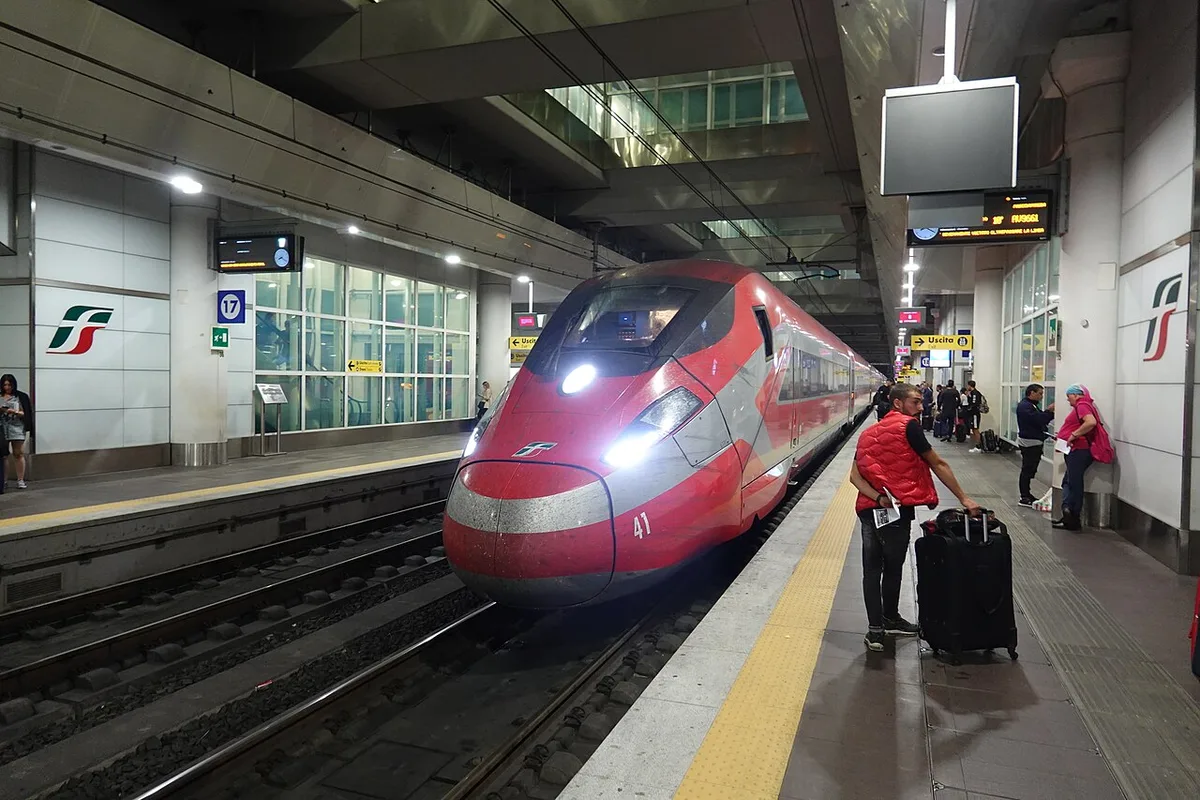
Trenitalia operates the bulk of high-speed departures with its Frecciarossa trains, both non-stop between Bologna Centrale and Firenze SMN. Italo runs its own high-speed trains on the same tunnel-heavy alignment, also direct and without a change. Most of the high-speed route runs underground through a series of tunnels beneath the Apennines, part of why the ride feels short despite crossing between the two regions. Comparing fares across both operators' official booking pages before you commit is worth the extra few minutes, since neither consistently undercuts the other on every departure. A separate, older route called the Direttissima connects the cities via Prato using Intercity and Regionale trains. This line opened in 1934, decades before the dedicated high-speed tunnel supplemented it in 2009. Separately, Check the operator’s dated service notices for your travel day. Weekend and holiday timetables also tend to run fewer departures than weekdays on Italian rail generally, so build extra flexibility into weekend day trips.
Journey Time, Distance, and Fare Guidance
Published duration and distance figures for this route vary by source and by specific train, so treat any single number you see elsewhere as a starting point rather than a guarantee. High-speed trains cover the route in well under an hour, while the slower Direttissima services take noticeably longer because they follow the older alignment through Prato. By car, Bologna Welcome states the drive to Florence via the A1 takes about 1 hour, longer than the direct rail alignment because the motorway follows a different route than the tunnel-heavy rail line. Fare guidance follows a familiar pattern across Italian high-speed operators: booking further ahead of your travel date typically costs less than buying on the day. Neither Trenitalia nor Italo publishes a fixed advance-purchase discount you can rely on months out, and the slower Intercity/Regionale option is generally the cheaper of the two categories shown below. The ranges below deliberately avoid a single exact figure, since competitor sites disagree by several minutes and kilometers on this exact route. For current fares and exact timings, check the Trenitalia journey planner directly before you travel.
| Option | Approx. duration | Change required | Best for |
|---|---|---|---|
| Frecciarossa (Trenitalia) | Well under 1 hour | No | Time-pressed day-trippers |
| Italo high-speed | Well under 1 hour | No | Travelers comparing operator fares |
| Intercity / Regionale (Direttissima line) | Noticeably longer, varies by service | Sometimes, via Firenze Rifredi | Rail-pass holders and budget travelers |
Bologna Centrale: Finding Your Platform
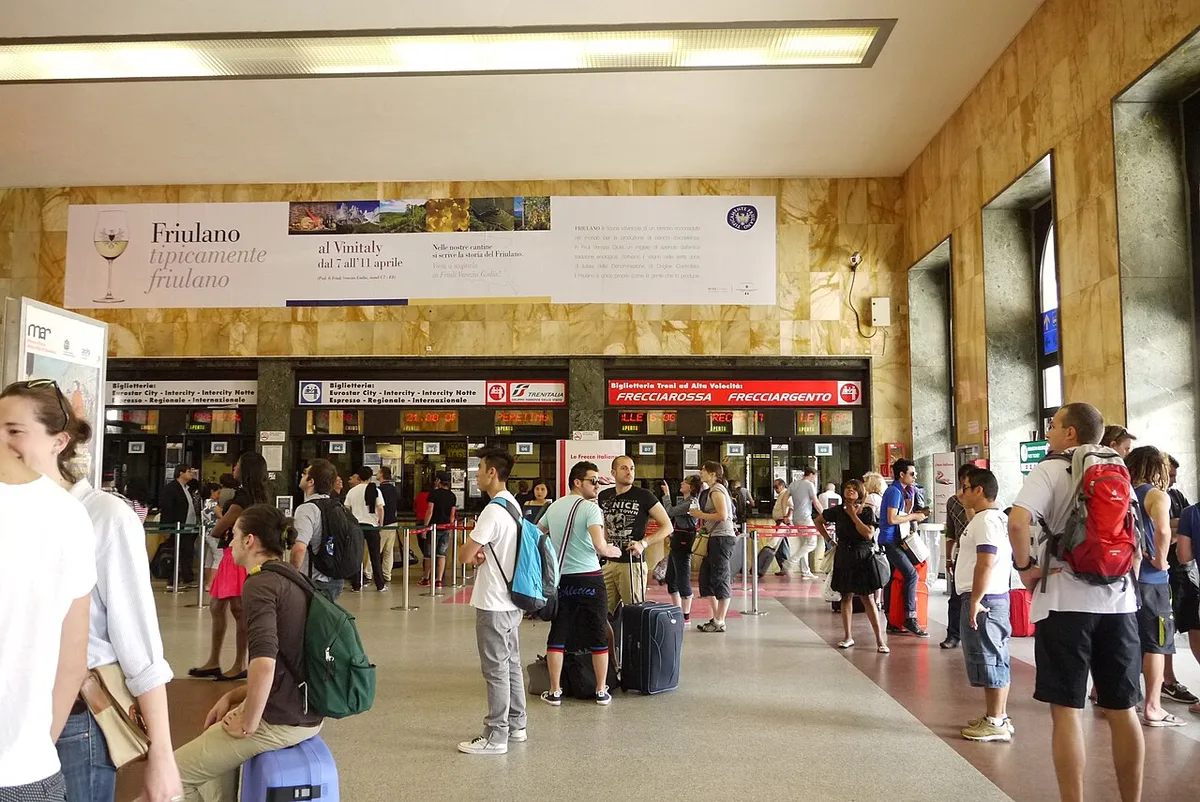
Bologna Centrale's high-speed (AV) platforms sit on a lower concourse, separate from the ground-level hall where regional and Intercity trains depart. Signage directs you toward escalators and elevators to reach the AV level, and the route is longer than it looks on a station map. One traveler's published account of navigating the station with a full suitcase described needing about 10 minutes to work through the elevators and passageways between the main entrance and the platform. Build that buffer into your connection time, especially if you are arriving from another train with checked bags. Check your platform number on the departure boards before choosing a level, then recheck near boarding, since assignments can change close to departure. As Bologna's official tourism site notes, Bologna Centrale serves as the terminus for a large number of local, intercity, and high-speed trains, so navigating between platforms during busy periods is worth planning around rather than leaving to the last minute.
About 10 minutes to navigate Bologna's AV concourse with luggage is a key buffer item—easily overlooked but essential to catching your train.
Arriving at Firenze Santa Maria Novella: Getting Into the City
Firenze Santa Maria Novella sits close to the historic center, with the Duomo roughly a 10-minute walk from the station exit. Because SMN is a legacy terminus, incoming high-speed trains have to cross other tracks to reach it, which can add delay on busy days. Build slack into a tight day-trip schedule rather than planning to arrive at the last practical moment. Firenze SMN also functions as a hub for onward Regionale connections toward towns such as Lucca, Perugia, and Siena, useful context if your itinerary extends beyond a single day. Florence is also planning a new station, Firenze Belfiore, that would eventually take over some high-speed traffic and sit farther from the center than SMN. Construction timing has continued to shift, so before you book, confirm which Florence station your specific train actually serves.
The Duomo sits roughly a 10-minute walk from Firenze SMN—close enough to leave time for exploring beyond the main cathedral even on a day trip.
Planning a Car-Free Day Trip: Timing and Buffer Tips
A day trip from Bologna to Florence is realistic precisely because the outbound and return legs are both short on the high-speed line. Build in extra minutes at each end of the trip rather than cutting connections close. Rather than booking the very first outbound departure and the very last return service, leave at least one alternative train in each direction as a fallback. Trenitalia's site also links to third-party luggage storage and forwarding partners, which some travelers use to avoid carrying bags around Florence for the day. Checking the live timetable the morning of travel is worth the two minutes it takes, since schedules and platform assignments can shift.
- Outbound buffer: extra time to navigate Bologna Centrale's AV concourse with luggage.
- Sightseeing window: a full day is realistic given the short one-way ride.
- Return buffer: extra margin at Firenze SMN in case of a late-running train.
Booking Tips: Advance Purchase, Ticket Types, and Rail Passes
Both Trenitalia and Italo generally price advance-purchase tickets lower than tickets bought on the day of travel, a pattern consistent across Italian high-speed operators. Trenitalia's high-speed and Intercity trains are sold in multiple classes, from standard seating up to premium and business tiers with extra legroom and at-seat service. Italo offers a comparable tiered structure on its own high-speed trains. Travelers holding a Trenitalia Pass or Interrail Pass still need a separate seat reservation on Frecciarossa services, since rail passes alone do not guarantee a seat on high-speed trains. If a firm budget matters more than speed, the slower Intercity/Regionale option on the Direttissima line typically costs less and may suit pass holders who want to avoid the reservation fee. Priority seating and accessible toilets are generally available on Italian high-speed trains; confirm assisted boarding arrangements directly with Trenitalia or Italo ahead of travel if you need them. Check exact fares on the operator's own booking page rather than a third-party reseller, since resellers can add booking fees.
Mistakes to Avoid
A few planning mistakes come up often enough on this route to flag directly.
- Booking a Regionale ticket and expecting Frecciarossa speed: the slower Direttissima trains take noticeably longer, even though both depart from Bologna Centrale.
- Underestimating station navigation time with luggage: the AV concourse at Bologna Centrale is a genuine walk from the main hall, not a quick platform change.
- Not verifying which Florence station your ticket lands at: almost all current services arrive at Firenze SMN, but confirm this if Firenze Belfiore construction changes routings before you travel.
- Assuming a rail pass covers the reservation automatically: Frecciarossa services require a separate paid reservation even with a valid Eurail or Trenitalia Pass.
- Treating the first or last train of the day as a safe default: check the live timetable close to your travel date rather than assuming a fixed schedule.
Where to Go Next: Other Car-Free Day Trips from Bologna
Florence is one of several car-free day trips possible from Bologna by public transport, and it pairs naturally with shorter regional trips if you have more than one day free. See the complete Bologna day-trip roundup for a route-by-route comparison.
- Modena's train connection is one of the shortest rail hops from Bologna.
- Parma by train suits travelers extending into Emilia-Romagna's food towns.
- Ravenna's rail route covers the mosaic city on a similar car-free basis.
- Ferrara by train is a shorter ride suited to a half-day itinerary.
- Rimini's train link reaches the Adriatic coast without a car.
- Imola by train works for a compact half-day trip.
- Dozza's bus route is a non-train option for travelers comparing bus versus rail.
- Maranello's public transport option reaches the Ferrari museum town without driving.
Ticket rules and travel-day checks
A paper regional ticket must be validated in a station stamping machine before boarding. A Trenitalia Digital Regionale Ticket validates automatically at the scheduled departure of the selected train; manual app check-in is no longer required. Change the departure before that time if your plans change. Other electronic regional ticket formats have their own validity rules. Reserved Intercity and high-speed tickets apply to the booked train and seat.
Check both outward and return trains for your date. Published journey times are planning estimates, not a promise of a specific departure or a disruption-free day. Read any replacement-bus or engineering-work marker before buying. At Bologna Centrale, use the train number and the complete platform name, including Est or Ovest where shown.
Continue on foot from Firenze SMN
For a central visit, book Firenze Santa Maria Novella and allow about 10–15 minutes to walk toward the Duomo, plus time for crossings and crowds. The Florence station guide covers the arrival, and Florence public transport helps when your hotel or museum is farther away. Check every reserved museum entry against your train’s arrival rather than assuming you can reach it immediately from the platform.
Getting to the departure point
Before leaving your hotel, check Bologna’s city transport options and allow time to reach the correct rail platform or bus bay. Keep enough flexibility on the return to continue back to your accommodation.
Sources and review
Reviewed 6 October 2026 against the official pages below. Timetable searches, ticket availability and temporary operating notices still need checking for your own travel date. Walking times and itinerary allowances are editorial estimates.
A verified high-speed benchmark
Italo’s route page currently advertises a 37-minute Bologna Centrale–Firenze SMN journey. Treat this as a service benchmark, not the duration of every train; the booked result gives the actual timing. Slower routes via Prato can involve a different Florence station or a change.
Frequently Asked Questions
Is there a direct train from Bologna to Florence?
Yes. Both Trenitalia and Italo run direct high-speed trains between Bologna Centrale and Firenze Santa Maria Novella with no change required. A slower Intercity or Regionale option also exists on the older Direttissima line, but it is not the fastest way to make the trip.
How long does the train from Bologna to Florence take?
High-speed trains cover the route in well under an hour, though exact minutes vary by specific service and by date. Check the Trenitalia journey planner for the current schedule before you travel.
What is the fastest train from Bologna to Florence?
The fastest options are the high-speed Frecciarossa and Italo services, all of which run direct and take well under an hour. Regionale and Intercity trains on the older Direttissima line take noticeably longer.
Which station do you arrive at in Florence?
Choose Firenze Santa Maria Novella for the central high-speed arrival. Some slower trains use other stations, such as Firenze Rifredi, so confirm the complete itinerary and any onward connection before buying.
Can you do Florence as a day trip from Bologna without a car?
Yes, the short one-way ride makes Florence a realistic car-free day trip from Bologna. Build in buffer time at both stations, since Bologna Centrale's high-speed platforms require a walk from the main hall and trains into Firenze SMN can run late crossing other tracks.
Is it worth taking the slower Intercity train instead of the high-speed train?
For most travelers, no, since the high-speed service is direct and considerably faster. The slower Intercity/Regionale option can make sense for travellers on a tighter budget when the complete journey is suitable. Intercity still has reservation requirements; regional services follow different rules.
How far in advance should you book tickets?
Booking further ahead of your travel date typically costs less than buying on the day, a pattern that holds across Italian high-speed operators. Neither Trenitalia nor Italo guarantees a fixed discount at a specific number of days out, so compare fares on their official booking pages as your date approaches.
Do trains run less often on weekends?
Timetables vary by date and service. Search the actual weekday, weekend or holiday you will travel rather than assuming a fixed daily departure count.

.jpg)
