 Europe Nook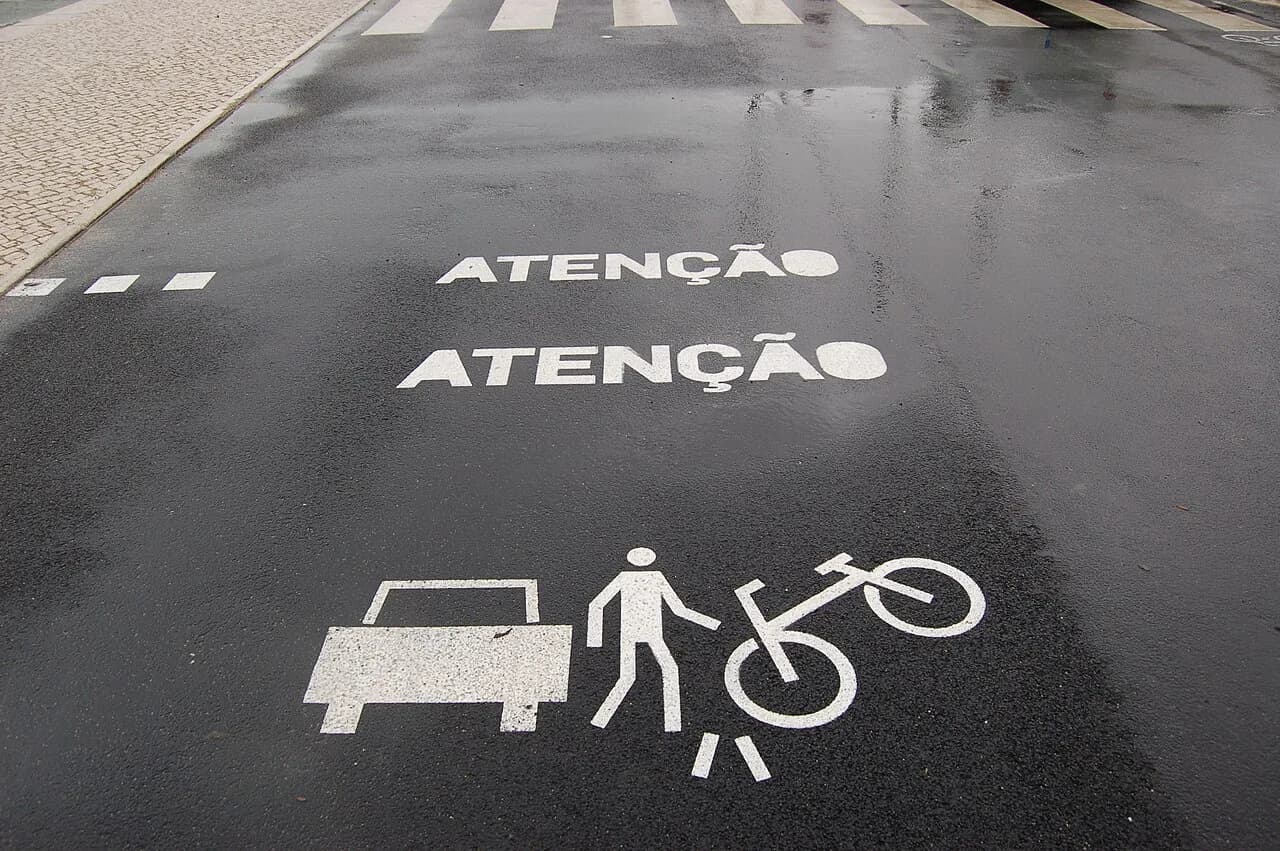
Last updated September 2026, this guide breaks Lisbon public transport into seven realistic ways to get around the city without a car. Metro, trams, buses, commuter trains, and ferries cover central Lisbon and its closest day-trip towns, and the navegante card's rules trip up plenty of first-time visitors. What follows is a decision path for your first day, a full mode comparison, and the fares you need before you board anything.
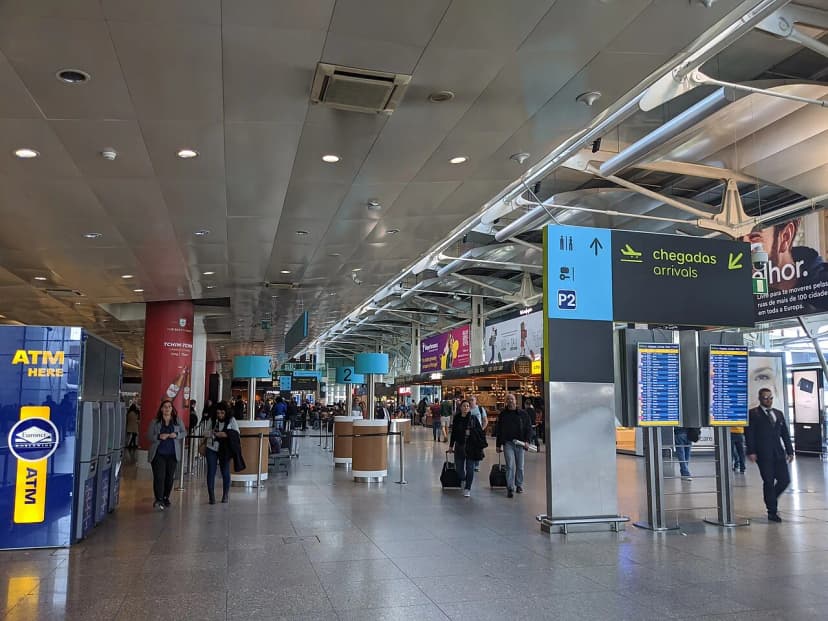
Featured image: Robert Nyman, CC BY 2.0, via Wikimedia Commons. Resized and converted to WebP.
Fast Answer: What to Buy and Which Mode to Use First
A navegante occasional card costs €0.50 and can hold singles, a 24-hour ticket or zapping credit, one type at a time. At the 2026 operator fares, four separately charged €1.90 singles total €7.60, so the €7.25 Carris/Metro 24-hour ticket saves money from the fourth single. Against €1.72 zapping journeys, the threshold is five paid journeys, not four. Count charged journeys, not every transfer. From the airport, the airport transfer guide explains line changes for the historic centre. Walking may cover most of a short stay: use the self-guided walking route to judge how many paid trips remain. For Sintra or Cascais, compare the CP-inclusive day ticket with separate train fares plus your actual city travel; it is not automatically the cheapest option.

Lisbon Transport Modes at a Glance
Compare cost basis, speed, and accessibility before picking a mode for each leg of your trip; the table below summarises all seven options covered next. Use it to match the mode to the trip rather than to the destination alone, since a short hop across town can be faster on foot than waiting for a bus.
| Mode | Cost Basis | Speed | Best For | Accessibility |
|---|---|---|---|---|
| Walking | Free | Slow, short distances | Central sightseeing in Baixa, Chiado, Alfama | Uneven, hilly cobblestones |
| Metro | €1.90 single / €1.72 zapping | Fast | Cross-city trips, airport transfer | Elevators at some stations only |
| Tram | €1.90 single (navegante) | Slow, frequent stops | Scenic hill routes (tram 28, tram 12) | Limited; older trams not step-free |
| Bus | €1.90 single | Moderate | Routes metro and tram don't reach | Some routes wheelchair-adapted |
| Commuter train (CP) | €11.40 day ticket bundles CP; check cp.pt for single line fares | Fast | Day trips to Sintra, Cascais | Station-dependent; check CP's accessibility page |
| Ferry (Transtejo) | €10.35 day ticket bundles the Cacilhas route; check for single fares | Fast river crossing | Cacilhas, Belém river crossings | Boarding ramps at main terminals |
| Taxi/rideshare | Taxi meter or live app quote; check supplements | Fastest door-to-door | Late night, luggage, limited mobility | Book a specifically adapted vehicle if needed |
The Navegante Card: Tickets, Zapping, and Day Passes Explained
A navegante occasional smart card costs €0.50 and works as the entry point for nearly every visitor trip. According to Metro Lisboa's fare page, a single Carris/Metro ticket costs €1.90 and covers 60 minutes of unlimited transfers between the two networks after first validation. That single ticket cannot cover two separate metro-only rides back to back; it's built for one Carris/Metro combination per validation. Day tickets scale by how many networks you need, shown below. Paying as you go through zapping costs €1.72 per metro ride, cheaper per trip than the single ticket but harder to budget across a full day. One constraint catches new visitors: each card holds only one ticket type at a time. Use up the existing tickets or credit before switching types, or buy another occasional card if you need both options available. Buy and load an occasional card at station ticket machines or a staffed ticket office. Tapping a bank card directly at a Metro gate pays for that journey; it does not buy or top up a navegante card. For fare-gate steps and top-up machine locations, see the metro tickets guide. Choosing between the tourist Lisboa Card and paying with navegante directly is a separate decision, and the Lisboa Card comparison weighs the cost tradeoffs.
- Carris/Metro day ticket
- €7.25 for 24 hours on Carris and Metro only.
- Carris/Metro/Transtejo day ticket
- €10.35 for 24 hours, adding the Cacilhas ferry crossing.
- Carris/Metro/CP day ticket
- €11.40 for 24 hours, adding CP's Sintra, Cascais, Azambuja, and Sado lines.
7 Lisbon Public Transport Options for Getting Around Without a Car
Each option below suits a different kind of trip, from short central hops to day trips outside the city, and most visitors end up combining two or three of them in a single day.
Sintra is a 45-minute ride by commuter train, making same-day returns possible if you confirm the last return departure before heading to the station.
- Walking
- Central Lisbon's main districts, Baixa, Chiado, Alfama, and Bairro Alto, sit close enough to cover in under 30 minutes on foot.
- Streets are steep and cobbled in places, so pace hill routes accordingly.
- See the self-guided walking route for a route linking the main viewpoints without a transit fare.
- Metro (Metropolitano de Lisboa)
- Four lines cover the city: green (Telheiras–Cais do Sodré), blue (Reboleira–Santa Apolónia), yellow (Odivelas–Rato), and red (Aeroporto–São Sebastião).
- Trains run from 6:30am to 1am daily, making it the fastest cross-city option most days.
- See the metro tickets guide for fare-gate and validation steps.
- Trams and Historic Hill Transport
- Carris trams serve several hilly districts, but normal route maps need to be read alongside current service notices.
- As checked on 12 September 2026, Carris announces temporary changes to 28E and 12E for three weeks from 31 August: 28E uses buses between Martim Moniz and Graça, then trams from Graça to Prazeres. 12E uses trams between Largo do Camões and Graça plus a separate bus shuttle from Martim Moniz.
- The Carris service information also lists replacement buses for the Glória, Lavra and Bica funiculars. Do not plan a funicular ride on the basis of an older guide or a fare listing.
- See the tram 28 route guide for the usual sightseeing route and the dated service arrangement.
- Buses (Carris)
- Carris buses connect central neighbourhoods and outer districts beyond the Metro network.
- Operating hours and frequency vary by route and day. Use the Carris service notices and route timetable for your particular journey; selected night routes run after daytime services finish.
- Buses reach hillside neighborhoods and outer districts the metro skips; the bus station guide covers the main terminals and interchanges.
- Commuter Trains (CP) to Sintra, Cascais, and Beyond
- CP's Sintra line departs Rossio station roughly every 15 to 20 minutes, with a 45-minute ride out.
- Cascais-line trains depart Cais do Sodré every 10 to 30 minutes, taking about 40 minutes along the coast.
- Hours vary by line but average roughly 6am to 1am; verify current timetables on CP's Lisbon page.
- Ferries (Transtejo)
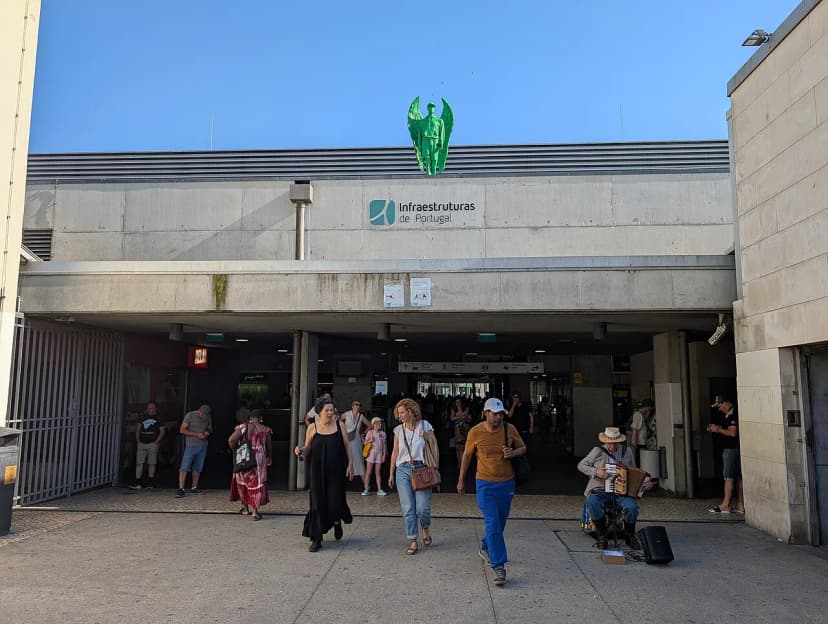
- Lisbon-side ferry departure points include Cais do Sodré, Terreiro do Paço and Belém; choose the terminal for your particular crossing.
- Crossing from Cais do Sodré to Cacilhas takes about 15 minutes, while Cais do Sodré to Montijo or Seixal takes about 30 minutes.
- See the Lisbon ferry guide for the Belém to Trafaria crossing and connections to Costa da Caparica.
- Taxis, Rideshare, Bikes, and Scooters
- Taxis use a meter and may charge supplements; rideshare apps display a quote before booking. Check the actual tariff or quote instead of relying on an old guide's starting price.
- Rideshare apps and dockless bikes or scooters cover similar gaps; book rideshare in-app, and check current operator coverage before relying on bikes or scooters.
- Use one of these when a route needs an awkward transfer, when you're carrying luggage, or late at night.
Costs, Hours, and Accessibility Summary
Fares across Lisbon's public transport run from €1.90 for a single ticket up to €11.40 for the broadest day pass. Metro trains run from 6:30am to 1am every day. Bus hours depend on the route, with separate night services on selected corridors. Commuter trains average roughly 6am to 1am, though hours vary by line, so confirm the last departure before a day trip. Weekend and holiday timetables can differ from weekdays. Check the service date, planned works and last departure with the operator before travelling. Only some metro stations have elevators to the platforms, so check the metro map before planning a step-free route. Metro and bus vehicles also reserve priority seating for pregnant travellers, passengers with small children, older riders, and travellers with disabilities. CP's site lists accessibility information for stations on each line; check it ahead of a trip to Sintra or Cascais. For a full list of Lisbon's rail terminals and which lines serve each one, see the Lisbon train stations guide.
Mistakes to Avoid
A few recurring mistakes cost visitors time or money on Lisbon's transit network, and most are easy to avoid once you know about them.
Trams 28E and 12E both face disruptions for three weeks from 31 August, so plan alternatives before treating these scenic routes as reliable sightseeing options.
- Loading the wrong ticket type
- Mixing single tickets, day tickets, and zapping credit on one navegante card doesn't work; empty the card first or buy a new one for €0.50.
- Queuing for tram 28 without a backup plan
- Compare the usual routes in the tram 12 guide, but do not treat 12E as an unchanged tram-loop substitute during the September 2026 alterations affecting both lines.
- Assuming transit always beats walking
- Over short central distances within Baixa, Chiado, or Alfama, walking is often faster once you count the wait at a stop.
- Booking a Sintra or Cascais trip without checking return times
- Commuter trains taper off in the evening; confirm the last return departure on CP's site before you leave the station.
- Paying cash on board instead of using a navegante card
- Cash and contactless bank-card fares on trams and buses cost more than the same ride paid with a loaded navegante card.
- Skipping the ferry option to Cacilhas
- The Cais do Sodré to Cacilhas ferry takes about 15 minutes and can beat the same crossing by road; check the Lisbon ferry guide before ruling it out.
Frequently Asked Questions
What is the best way to get around Lisbon without a car?
For most trips, walking handles central sightseeing and the metro handles longer cross-town hops. Combine both with a navegante card loaded with either a day ticket or zapping credit, depending on how much you'll ride.
How does the navegante card work in Lisbon?
An occasional navegante card costs €0.50 and holds one ticket type at a time: single tickets, a day ticket or zapping credit. Use up its existing tickets or credit before changing types, or buy a second card if you need another type while the first still has a balance.
Is Lisbon public transport safe for tourists?
Lisbon's metro, trams, and buses run through busy, well-lit areas during the day, and operating hours cover early morning through past midnight on most lines. As with any crowded transit system, keep bags zipped and in view on packed trams and busy stations, where pickpocketing has been reported.
How do you get from Lisbon airport to the city centre by public transport?
Metro's red line connects Aeroporto station to the centre, with transfers onto other lines along the way. See the airport transfer guide for the full stop-by-stop route.
Which is better in Lisbon: metro, tram, or bus?
Metro service is fastest for cross-city trips and runs from 6:30am to 1am daily. Trams cover scenic, hilly routes the metro skips, while buses fill in the remaining gaps across the city.
Do you need a car in Lisbon?
No: walking, the metro, trams, buses, commuter trains, and ferries cover the city and its closest day-trip towns without one. A car adds parking cost and hassle in the older, narrow-streeted districts where most sightseeing happens.
How much does Lisbon public transport cost per day?
A single Carris/Metro ticket costs €1.90, so two rides come to €3.80. A 24-hour day ticket costs €7.25 for Carris and Metro, rising to €11.40 if you add CP's commuter trains.
Can you pay with a contactless bank card instead of a navegante card?
On the metro, yes: tap a contactless bank card at the fare gate and pay €1.92 per journey, slightly more than the €1.90 single ticket. Trams and buses also accept contactless cards on board, though fares run higher than the same ride on a loaded navegante card.
Do Lisbon buses and trams accept cash?
You can pay the driver in cash or tap a contactless bank card on board, but it costs more than paying with a loaded navegante card. Tap your card on the reader near the driver when boarding, and press the stop button ahead of your stop.
Plan more car-free journeys from Lisbon
Continue with the route and ticket guides that fit your trip.
Practical guides
- Lisbon Airport to City Centre: Metro, Taxi, Uber and Transfer Guide
- Lisbon Metro Tickets: Prices, Types and How to Buy (2026)
- Tram 28 Lisbon: Route, Fares, Timing and What to Know Before You Ride
- Tram 12 Lisbon: Route, Fares, Schedule & Is It Worth It?
- Lisbon Ferry Guide
- Lisbon Train Stations: Which One You Need & How to Get There
- Lisbon Bus Station: Sete Rios vs Gare do Oriente Guide (2026)
- Lisbon Self-Guided Walking Tour
- Lisboa Card vs Viva Viagem (Navegante) 2026
.jpg)